



The Digital Underbelly: Navigating Social Media Scams Down Under
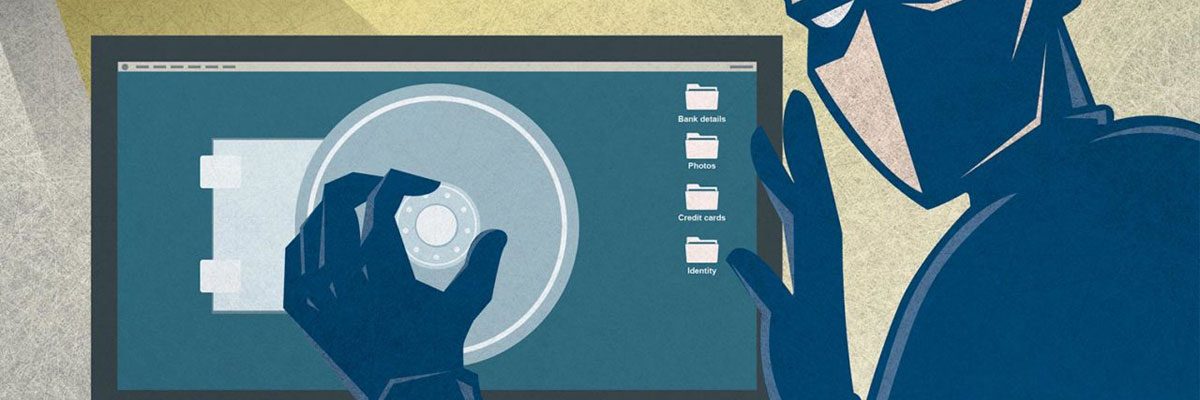
G’day, savvy netizens! Picture this: You’ve unwittingly funded a cybercriminal’s dream vacation to the Whitsundays. Sounds bonkers, right? Welcome to the dark underbelly of social media, where phishing is not just a weekend hobby but a lucrative scheme.
In this age of ‘always-on’ connectivity, Australia has seen a surge in scams that exploit our trust in social networks. Picture this: A clever fraudster designs a page identical to Facebook’s login. Then, they shoot off one-liner messages to your inbox, tricking you into handing over your credentials. Before you can say “Vegemite,” they’ve infiltrated your social circle, soliciting funds or pushing spam campaigns. We’re not talking about small change either—one unsuspecting Samaritan forked out a grand, believing a friend needed urgent surgery.
According to recent studies, including those from the Australian Cyber Security Centre (ACSC), social engineering tactics have skyrocketed, leveraging our familiarity with platforms like Facebook, Twitter, and LinkedIn to infiltrate not just our personal lives, but also our workplaces. In fact, over 60% of Aussie sysadmins are breaking a sweat, worried that staff activity on social media could compromise the corporate network. One in four organisations even reported instances of falling prey to cyber threats via social networking sites.
So, How Can We Be Social Media Smart?
1. Clock Off Before You Log On
The workplace isn’t the space for social scrolling. By avoiding personal social media use on company time and equipment, you lessen the chance of an inadvertent click causing a cybersecurity nightmare. And let’s be honest, your productivity stats will thank you too.
2. Keep It On The Down-Low
Those casual social media posts—like checking in to your company’s latest gala event or the airport lounge—may seem harmless. Still, they can give away just enough for a cyber-crook to connect the dots. To minimise risk, set your profile to private, so only your actual mates can see what you’re up to.
3. Don’t Take the Bait
Scammers are getting sophisticated. If you receive unsolicited requests for money or suspicious links, even from familiar faces, be cautious. Confirm with the person offline before taking any action. A quick call or text can help you avoid being reeled in by a scammer.
4. Two-Factor Authentication Is Your Friend
Enable two-factor authentication (2FA) wherever possible. This provides an additional layer of security, making it harder for attackers to access your account, even if they’ve managed to snag your password.
5. Be In The Know
Stay updated with the latest news on cybersecurity risks and social media scams. Organisations like the ACSC often release valuable information that can keep you one step ahead of the cyber rogues.
Being social media savvy isn’t just about posting the perfect pic or hitting peak engagement; it’s also about navigating the complexities of the digital landscape without falling into well-concealed traps. So, next time you find yourself mindlessly scrolling through your feed, remember: always be as cautious online as you would be wandering through the alleys of a strange city at night.
Take these tips to heart, and you’ll not only surf safer but also ensure that the only person taking a trip to the Whitsundays is you—on your own dime.
