
What is Zero Trust Architecture all about

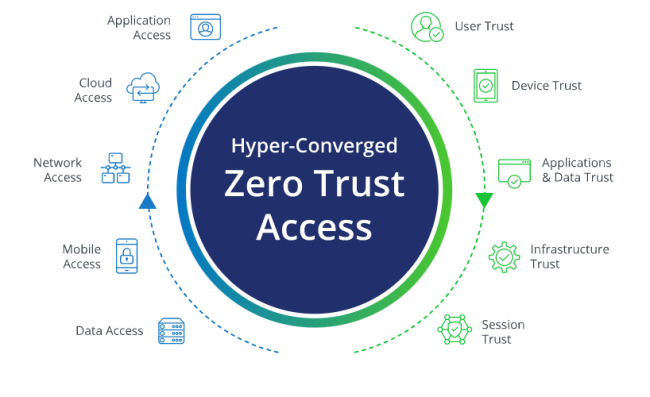
Zero Trust Architecture (ZTA) is a security blueprint designed with the realities of today’s cyber threat landscape in mind. It’s based on the premise that attackers are already present, and at any point anything can be compromised – and in turn suggests organizations adhere to these key tenets of Zero Trust Architecture to maximize cyber resilience.   Broadly speaking, we can classify these ZTA tenets under three security domains. Using the NIST SP 800-207 document as…
Increase/expand an XFS filesystem

Increase/expand an XFS filesystem in RHEL 7 / CentOS 7 This guide will explain how to grow an XFS filesystem on VMWare Virtual Machine without a reboot. Verify if your server has XFS file system (you should see “xfs” in the Type column): # df -Th Filesystem Type Size Used Avail Use% Mounted on /dev/mapper/cl-root…

5 Best WordPress Security Plugins

Among the many aspects of cybersecurity for web applications and online sites, a trustworthy security scanner can make a lot of difference. WordPress sites have grown both in popularity as the chosen content management system (CMS) and as the preferred attack zone for hackers. Ideally, your WordPress security scanner should be alert to all possible…

Active Directory Best Practices

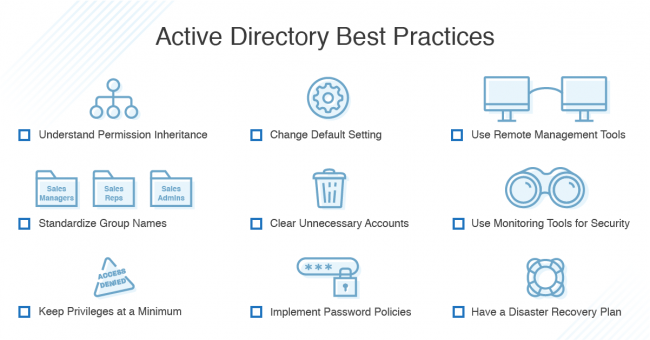
Active Directory Best Practices Security Groups, User Accounts, and Other AD Basics At many enterprises and SMBs that use Windows devices, IT teams are likely to use Active Directory (AD). Essentially, Active Directory is an integral part of the operating system’s architecture, allowing IT more control over access and security. AD is a centralized, standard…

What is vulnerability management?

Vulnerability management is the practice of identifying, classifying, prioritizing, remediating, and mitigating software vulnerabilities. Vulnerability management is integral to information security and information systems — and despite the similarity in terms, it is not the same as vulnerability scanning. Vulnerability scanning consists of using a computer program to identify vulnerabilities in networks, computer infrastructure or applications. Scanning is an important component of vulnerability management, but it is…

Threat Management: Managing Alerts, Vulnerabilities and Incidents

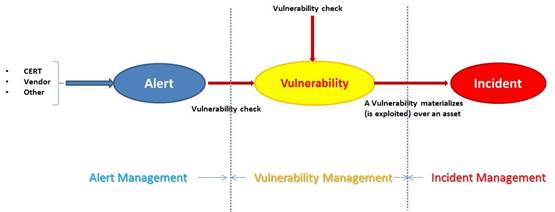
Introduction There’s lots of language challenges when talking about alerts, vulnerabilities and incidents.  It’s a common error to speak about vulnerabilities when you are really referring to “vulnerability alerts”. Furthermore, a common confusion comes from talking about “incidents” when a vulnerability is found in a system.  A vulnerability can cause an incident when exploited –…

SANS Incident Response Planning

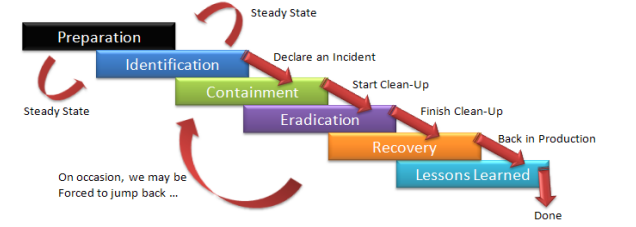
Below is a brief summary of the process, and in the following sections we’ll go into more depth about each step: Preparation—review and codify an organizational security policy, perform a risk assessment, identify sensitive assets, define which are critical security incidents the team should focus on, and build a Computer Security Incident Response Team (CSIRT).…

drawers in a bank symbolising a database

The Future of IoT is Blockchain

Imagine that you came across a beautiful piece of art on the Internet. You were mesmerised by it and immediately wanted to thank the artist by sending them a message about how they had inspired you and how well they had done. Midway through typing the message, you realise that a few words might not…

Encryption, Hashing and Salting

Encryption, Hashing and Salting Encryption and Hashing both serve different functions despite their similarities Yet the favourite information security interview question are are often: “Do you know the difference between encryption and hashing? Do you know what salting is? Do you think salting your hash is something to do with breakfast? Jokes aside, if you…